2026-04-17
Spirulina: What It Is and Why It Matters for Plant-Based Diets
What spirulina is, why it matters for plant-based diets, and the quality question you should ask before buying — plus where to find it at Beanfreaks Cardiff.
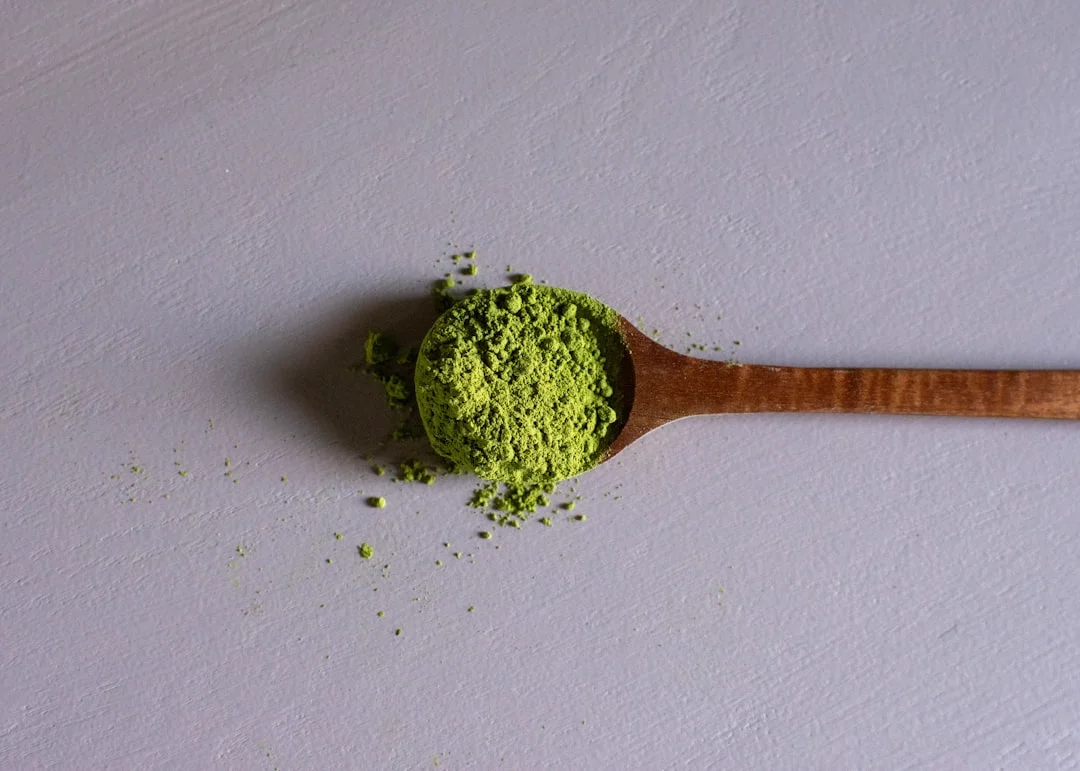
Spirulina is one of those foods that sounds implausible until you look at the numbers. A blue-green algae that has been growing on Earth for over three billion years turns out to be one of the most nutrient-dense things you can eat — and one of the better options for anyone on a plant-based diet trying to cover nutritional bases efficiently.
What spirulina is
Spirulina is a cyanobacterium — a type of blue-green algae that grows in warm, alkaline freshwater. It is one of the oldest life forms on Earth. It grows in a spiral shape (hence the name), is harvested, dried, and sold as a deep green powder or in tablet form.
Despite being technically a bacterium rather than a plant, spirulina photosynthesises like a plant and has been used as a food source by humans for centuries. The Aztecs harvested it from Lake Texcoco; the Kanem people of Chad have been eating it since at least the ninth century.
Nutritional profile
Spirulina is approximately 60–70% protein by dry weight. That is higher than beef (around 25%), eggs (around 13%), or soy (around 36%). A ten-gram serving provides around 5–6 grams of protein alongside a broad range of other nutrients.
More relevantly for vegans: spirulina contains all nine essential amino acids, making it a complete protein from a non-animal source. It is one of very few alongside hemp seeds and quinoa.
A 10g serving also provides:
- Iron: around 2mg — a meaningful contribution for vegans who find iron a consistent challenge
- B vitamins: thiamine, riboflavin, and niacin in useful amounts
- Copper: spirulina is one of the richest food sources of copper
- Phycocyanin: a unique blue pigment with antioxidant and anti-inflammatory properties found nowhere else in the human food supply
One note on B12: spirulina is sometimes claimed as a B12 source, and this claim is worth correcting clearly. Spirulina contains pseudovitamin B12, an analogue that does not function as active B12 in the body and may interfere with the absorption of the real thing. Do not use spirulina as a B12 source. Take a proper B12 supplement.
Powder versus tablets
Spirulina comes as loose powder and in tablet form. The powder is more economical and versatile. The taste — intensely earthy, slightly oceanic — puts some people off entirely.
Tablets let you take a consistent dose without tasting it, which makes them the more practical starting point for most people. If you get on with the taste or plan to blend it into smoothies regularly, powder offers better value.
How to use the powder
The key is pairing spirulina with strong flavours that work alongside the earthiness rather than fighting it:
- A teaspoon in a berry or mango smoothie — the acidity and sweetness do most of the work
- Mixed into apple and ginger juice
- Blended into a green smoothie with banana, spinach, and coconut water
- Pressed into energy balls with dates, oats, and nut butter
Start with half a teaspoon if you are new to it. The taste is one you either quickly get used to or never warm to.
The quality question
Because spirulina grows in water, it can accumulate heavy metals and other contaminants from its growing environment. Where it is grown and how it is tested matters.
Look for spirulina that specifies the growing source, is tested for heavy metals, and is produced in a controlled environment. Products with no origin information or certification are not worth the risk — you are trying to add nutrients, not contaminants.
Where to find it in Cardiff
We stock quality-tested spirulina in both powder and tablet form at Beanfreaks across Cardiff.
- Roath: 95 Albany Road, CF24 3LP
- Canton: 124 Cowbridge Road East, CF11 9DX
- Royal Arcade: 8 Royal Arcade, Morgan Quarter, CF10 1AE
Get in touch to check stock before visiting.