2026-04-12
Beetroot Powder: Benefits, Uses and Why It's Worth Keeping in Your Kitchen
What beetroot powder is used for, how it compares to fresh beetroot and juice, and where to find it at Beanfreaks Cardiff.
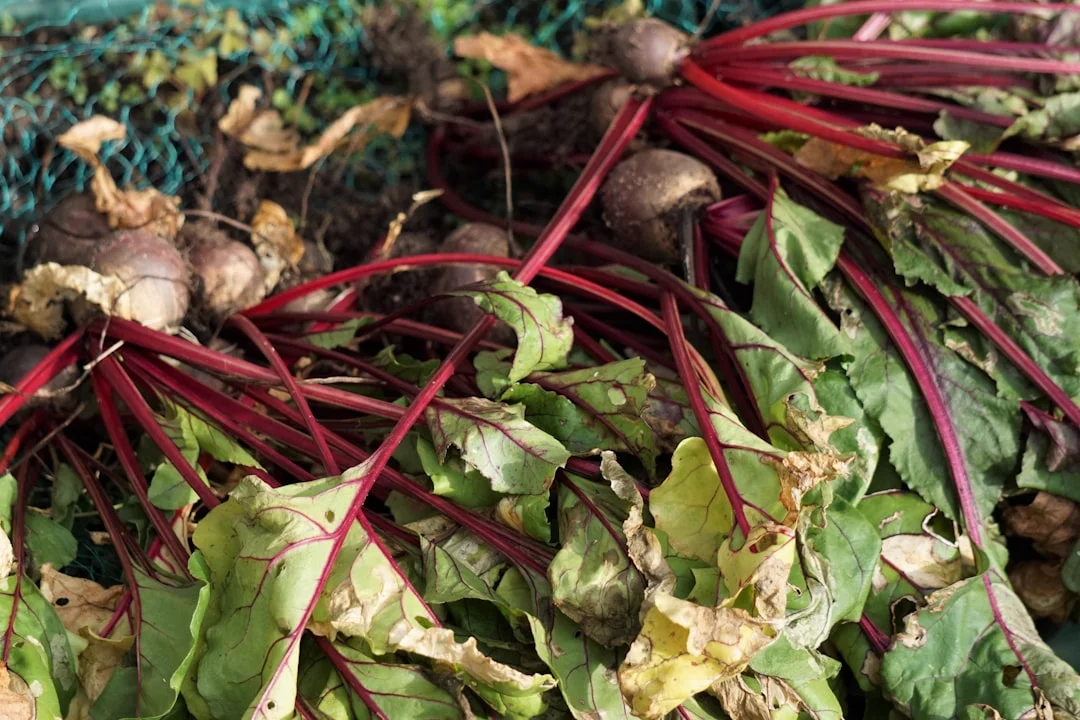
Beetroot powder has moved from the sports nutrition shelf into everyday kitchens over the last few years, and for good reason. The evidence behind it is solid, the uses are genuinely practical, and it is one of the more versatile powders to have around.
Why beetroot
The nutritional case for beetroot centres on nitrates. Beetroot is one of the highest dietary sources of inorganic nitrates, which the body converts to nitric oxide. Nitric oxide dilates blood vessels, improving blood flow and reducing the oxygen cost of exercise.
In practice this translates to improved endurance — multiple studies have found that beetroot supplementation extends time to exhaustion in cyclists and runners, and improves performance in repeated sprint activities. The effect is most pronounced in recreational athletes rather than highly trained individuals, because well-trained athletes tend to already have efficient nitric oxide pathways.
Beyond sport, improved blood flow has straightforward implications for cardiovascular health. Studies have found meaningful reductions in blood pressure with regular beetroot consumption — this is probably the more broadly relevant finding for people who are not specifically training.
Powder versus juice
Beetroot is available fresh, juiced, and powdered. The powder has some practical advantages worth knowing about.
Concentration: a teaspoon of beetroot powder is typically equivalent to one or two whole beetroot, or around 70–100ml of juice.
Shelf life: fresh beetroot and juice need to be used quickly. Powder keeps for months in a sealed container.
Versatility: powder blends into smoothies, works in energy balls, goes into soups, and can be used in baking where juice cannot. The natural deep red colour is striking in baked goods.
No added sugar: commercial beetroot juices often contain added fruit juice or sugar to improve the flavour. Powder is pure dried beetroot.
The trade-off is taste — powder is earthier and more concentrated than juice and takes some adjustment. Starting with half a teaspoon in a smoothie with banana or berries is the easiest entry point.
Betalains
Beyond nitrates, beetroot is a rich source of betalains — the pigments responsible for the intense red colour. Betalains are potent antioxidants with anti-inflammatory properties. They are also the reason beetroot can temporarily colour urine pink or red in some people. This is entirely harmless but worth knowing about if you are not expecting it.
Other nutrients
Beetroot powder is also a meaningful source of folate (important for cell division, and particularly relevant during pregnancy), manganese, potassium, and vitamin C. It is not a supplement in the conventional sense but a whole food in concentrated form — closer to eating beetroot than taking a pill.
How to use it
- A teaspoon in a morning smoothie — works well with banana, berry, or ginger
- Mixed into water or coconut water as a pre-workout drink
- Stirred into porridge for colour and a nutritional boost
- Pressed into homemade energy balls with oats and dates
- Used in baking for a natural deep red colour (beetroot chocolate cake is well worth trying)
Where to find it in Cardiff
We stock beetroot powder at Beanfreaks alongside other superfood powders and sports nutrition products.
- Roath: 95 Albany Road, CF24 3LP
- Canton: 124 Cowbridge Road East, CF11 9DX
- Royal Arcade: 8 Royal Arcade, Morgan Quarter, CF10 1AE
Get in touch to check stock at your nearest store before visiting.