2026-06-01
Chia, Psyllium or Linseed: Which Fibre is Best for You?
Three of the most popular fibre supplements on the market, and they work quite differently. Here's what each one actually does and how to choose between them.
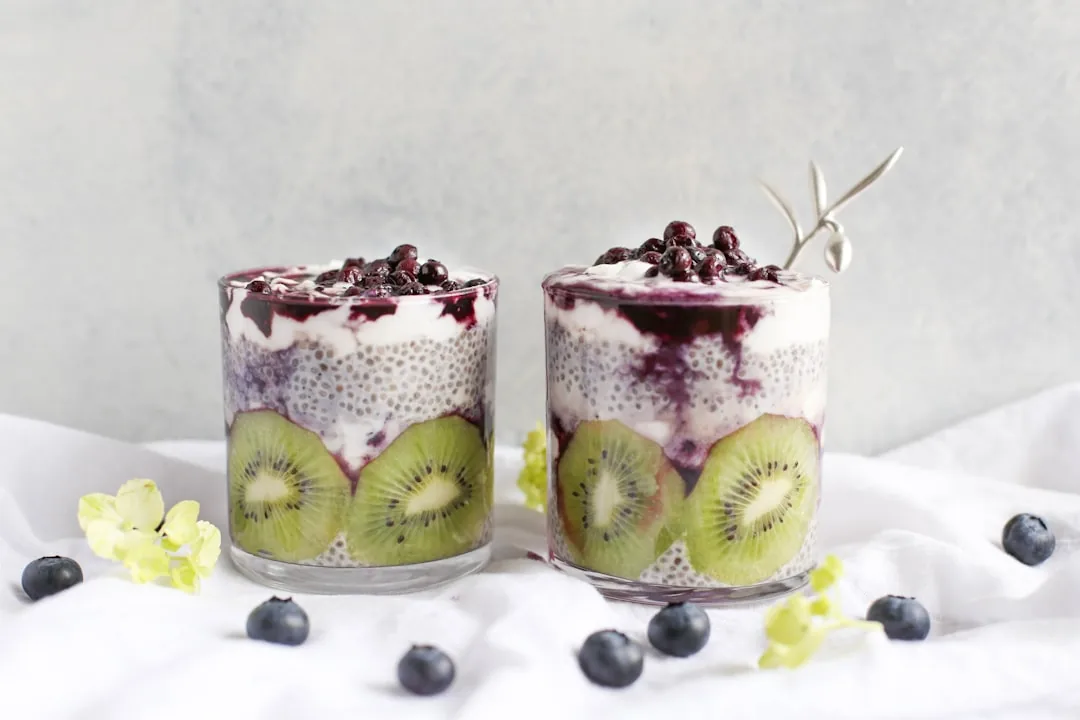
Chia seeds, psyllium husk, and linseed (also sold as flaxseed) are all recommended for digestive health, and all three appear on supplement shelves and in health food shops alongside each other. They are not interchangeable. They work through different mechanisms, suit different needs, and get used by the body in different ways. This is a practical guide to telling them apart.
A quick note on fibre types
Before getting into the specifics, it helps to understand the two main categories of dietary fibre.
Soluble fibre dissolves in water to form a gel. It slows digestion, helps regulate blood sugar and cholesterol, and feeds beneficial bacteria in the gut (making it a prebiotic). It does not add bulk to stool in the same way insoluble fibre does.
Insoluble fibre does not dissolve in water. It adds bulk, speeds up transit time, and helps prevent constipation by keeping things moving through the colon. Most plant foods contain both types in varying ratios.
All three seeds discussed here contain a mixture of both, but the ratios and dominant effects are different enough to matter.
Psyllium husk
Psyllium comes from the husks of Plantago ovata seeds. It is the most studied of the three in clinical settings, and the most lopsided in its fibre profile: around 70% soluble fibre, with most of that being mucilage — a gel-forming substance that absorbs many times its weight in water.
When you mix psyllium husk with liquid, the effect is immediate and dramatic. It thickens into a viscous gel within a minute or two. This is the mechanism behind most of its benefits.
What the evidence says:
- Well-documented reductions in LDL cholesterol at 7–10g per day (equivalent to a teaspoon and a half of husk powder)
- Meaningful improvements in blood sugar regulation, particularly post-meal glucose spikes
- Effective relief for both constipation and diarrhoea — the gel both softens stool and slows transit when needed
- One of the few fibre supplements used routinely in clinical settings for IBS-D (diarrhoea-predominant IBS)
Practical notes: Psyllium must be taken with a large glass of water, and more water throughout the day. The gel can cause choking if taken dry or without enough fluid. It can also reduce the absorption of medications if taken at the same time — take it separately from any prescriptions. The taste is mild; the texture when mixed is distinctly gel-like, which not everyone enjoys.
Psyllium is the best-evidenced option if cholesterol, blood sugar management, or IBS symptoms are the primary goal.
Linseed / flaxseed
Linseed and flaxseed are the same thing — linseed is the older British name, flaxseed is common in North American usage. The seeds contain a roughly equal split of soluble and insoluble fibre, a significant amount of plant-based omega-3 (as alpha-linolenic acid), and a class of phytoestrogens called lignans.
The omega-3 and lignans are relevant to fibre discussions because they add a nutritional dimension that psyllium and chia do not have to the same degree. Lignans have been studied for hormonal balance, particularly in perimenopause — there is reasonable evidence they modestly reduce some oestrogen-dependent symptoms, possibly by modulating oestrogen metabolism in the gut.
One important caveat: linseed needs to be ground to be useful. Whole seeds pass through the digestive system largely intact. Pre-ground (also called milled) linseed is available and more practical; alternatively, you can grind whole seeds in a coffee grinder. Keep ground linseed in the fridge and use within a few weeks — the omega-3 oils oxidise and go rancid at room temperature once the seed coat is broken.
What it suits: people who want fibre alongside a plant-based omega-3 source; women managing perimenopausal symptoms; anyone wanting a versatile addition to porridge, smoothies, or baking that adds more than just fibre.
Chia seeds
Chia seeds are nutritionally dense in a way that the other two are not. A 30g serving provides around 10g of fibre (roughly half soluble, half insoluble), around 5g of plant omega-3, and meaningful amounts of calcium, magnesium, and protein. They are also a complete protein, which is unusual for a plant food.
Like psyllium, chia forms a gel when it absorbs water — but more slowly, over ten minutes to several hours, and the resulting texture is more like tapioca than the thick mucus of psyllium. This slower gel formation means chia is less immediately dramatic in the gut and more broadly applicable across different uses.
What it suits: people who want a multi-purpose nutritional addition rather than a targeted fibre supplement. Chia works well as a food — in overnight oats, porridge, smoothies, or soaked in plant milk as chia pudding — rather than as a drink-it-and-forget-it supplement. If your primary goal is cholesterol management or IBS, the evidence behind psyllium is stronger. If you want to meaningfully improve the nutritional density of your daily diet while also increasing fibre, chia is probably the most practical option.
Practical notes: chia does not need to be ground. The seeds absorb liquid effectively as-is. They are largely tasteless when soaked, with a mild nutty flavour in their dry form.
Can you take more than one?
Yes, and it is sometimes the most logical approach. Psyllium for targeted cholesterol or IBS work; chia or linseed added to food for everyday fibre and nutritional support. The fibre types complement rather than compete — soluble and insoluble fibre have different roles and the gut benefits from both.
If you are adding any fibre supplement to your routine, do it gradually. Introducing a large amount of fibre quickly can cause bloating, gas, and discomfort while the gut microbiome adjusts. Start with a small amount and increase over two to three weeks.
What we stock
We carry all three across our Cardiff stores — psyllium husk (loose and capsules), milled linseed, and chia seeds. We also stock whole linseeds and pre-ground blends. If you are not sure which is most relevant to what you are looking for, come in and ask.
- Roath: 95 Albany Road, CF24 3LP
- Canton: 124 Cowbridge Road East, CF11 9DX
- Royal Arcade: 8 Royal Arcade, Morgan Quarter, CF10 1AE
Get in touch if you want to check stock before visiting.